

 News
News Industry News
 Theoretically, the most accurate way to determine if someone is driving under the influence is by testing their blood alcohol concentration. However, this method is difficult to implement in practice.
However, since about 90% of ingested alcohol is absorbed through the digestive system, enters the bloodstream, and is eventually exhaled through the lungs, measuring the alcohol content in exhaled breath can also determine whether someone has been drinking.
Currently, most countries worldwide use breathalyzers to conduct on-site testing of drivers to determine their blood alcohol content. Commercially available breathalyzers are mainly divided into two categories: fuel cell type (also known as electrochemical type) and semiconductor type.
Fuel Cell Type (Electrochemical Type)
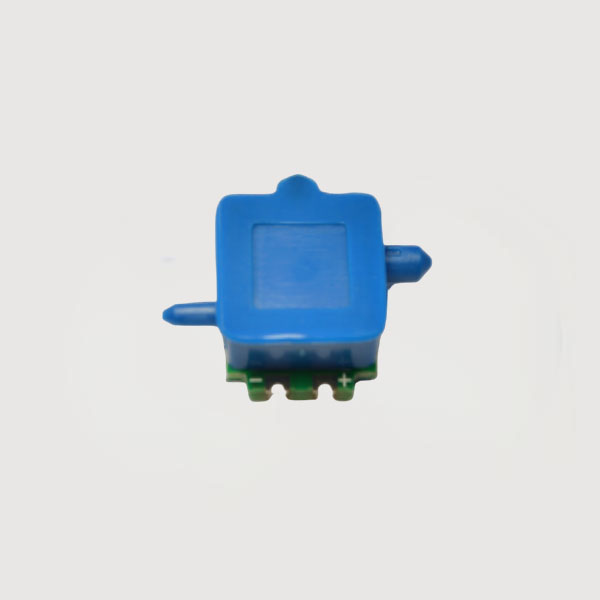

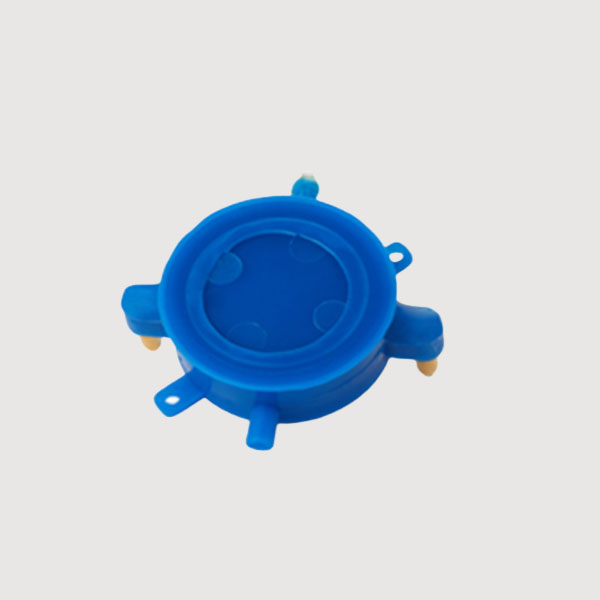
MQ-E2-C2H5OH Electrochemical Alcohol Sensor

Fuel cell breathalyzers use a fuel cell alcohol sensor as the core gas-sensitive element. This type of sensor operates based on electrochemical principles and is therefore also called an electrochemical alcohol sensor.
This type of sensor uses the precious metal platinum as electrodes. When alcohol molecules in exhaled breath undergo oxidation and reduction reactions with oxygen at the two electrodes of the sensor, respectively, an electric current is generated. The magnitude of this current is directly proportional to the alcohol concentration and strictly follows Faraday's law. Therefore, the alcohol concentration in the breath can be accurately calculated by measuring the current value.
Semiconductor Type
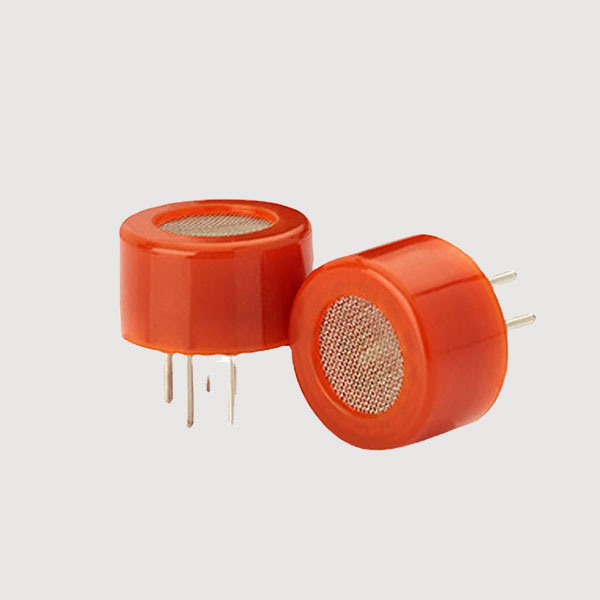
MQ-K3B Semiconductor C2H5OH Sensor

Semiconductor type breathalyzers use tin dioxide (SnO₂) as the gas-sensitive material. In clean air, tin dioxide has low conductivity; however, when alcohol vapor is present in the environment, its conductivity increases significantly with increasing alcohol concentration. This change in conductivity can be converted into an output signal corresponding to alcohol concentration using a simple circuit.
Semiconductor sensors offer advantages such as small size, low cost, and long lifespan; while fuel cell sensors feature low power consumption, high accuracy, and good sensitivity.
Application Differences
The biggest advantage of semiconductor-based alcohol testers is their low price, typically only a fraction of that of fuel cell-based devices, but their measurement accuracy is relatively lower. Therefore, they are mostly used in less demanding scenarios, such as personal self-testing or preliminary qualitative detection.
However, in law enforcement or formal testing used as the basis for penalties, fuel cell-based alcohol testers that meet relevant standards must be selected to ensure accurate and reliable results, improving the credibility and efficiency of law enforcement.
For further information about alcohol sensors, please feel free to contact us~
Web: www.tensensor.com
WhatsApp: +86 18335818384
Email: [email protected]
 Message
 E-mail
 Whatsapp


